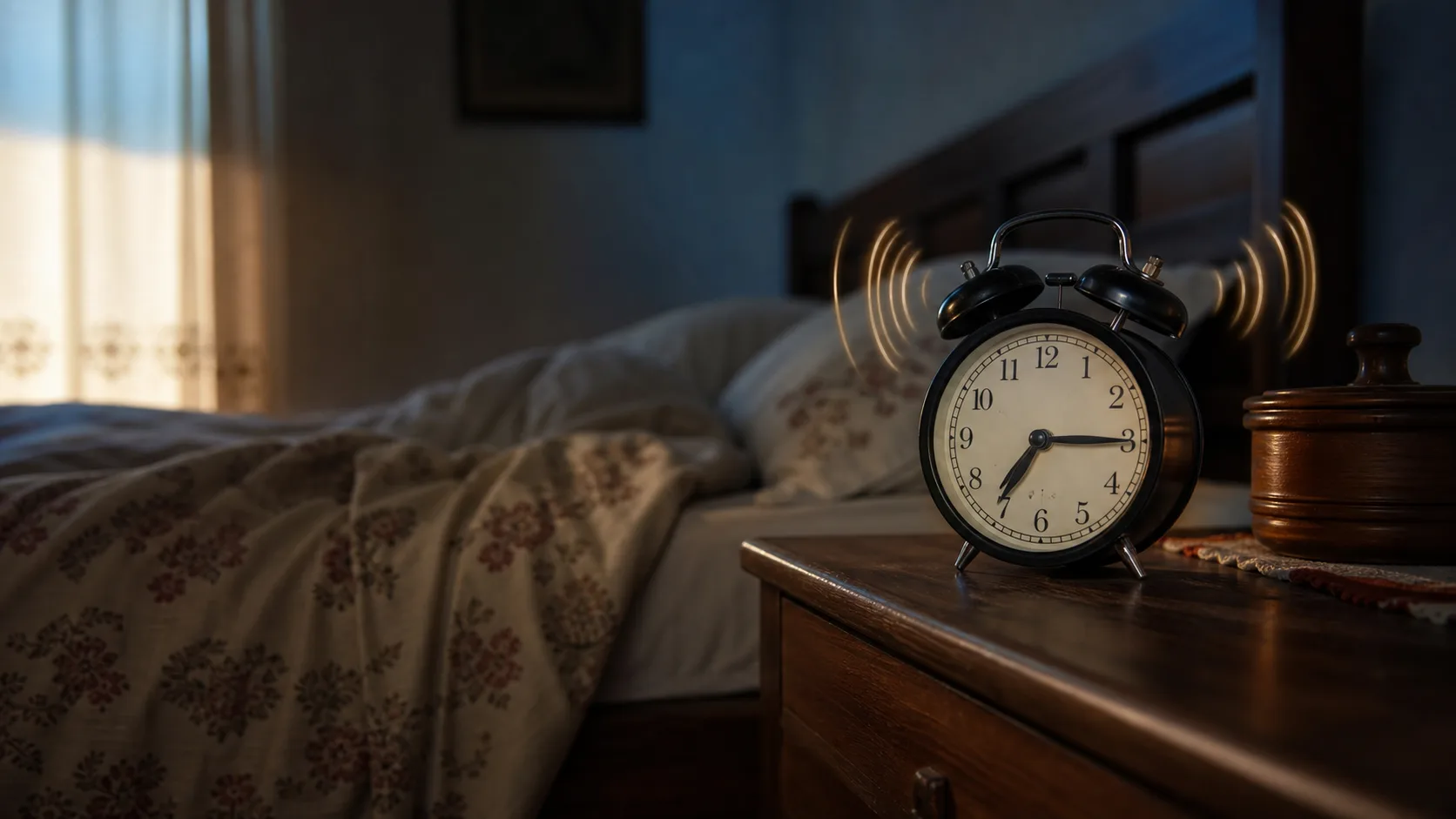
Sleeping through alarms can feel baffling. You wake up, look at the time and realise your alarm has been ringing in another universe. You may find three missed alarms on the screen and have no memory of hearing any of them.
It is tempting to blame the phone. Sometimes the phone is the problem. More often, several small things have lined up: too little sleep, a familiar tone, a muffled speaker and a half asleep version of you that has become remarkably good at pressing Stop.
Start with the unglamorous question
How much sleep did you actually get?
No alarm sound can reliably compensate for a schedule that leaves you exhausted. The CDC says adults aged 18 to 60 generally need seven or more hours of sleep, although individual needs vary. A late night followed by an early alarm is not a fair test of any alarm clock.
For three nights, write down when you put the phone away, when you think you fell asleep and when the alarm rang. The result does not need to be scientifically perfect. You are looking for an obvious pattern. If the alarm fails after five hours of sleep but works after seven and a half, volume is probably not the main issue.
Your alarm may have become background noise
A sound loses some of its authority when you hear it everywhere. If the same soft chime handles messages, calendar reminders and the morning alarm, your sleeping brain has little reason to treat it as special.
Try a sound with a clear pattern and a recognisable identity. A school bell, rooster or short melody is easier to distinguish from the fan and traffic outside than a faint electronic pulse. Give the new sound several mornings before judging it.
Changing alarms every night can make the test harder. Use one sound for three or four days, then note whether you heard it, how quickly you stopped it and whether you got out of bed.
Check where the phone spends the night
A surprisingly loud alarm can disappear under a blanket, behind a book or against a soft mattress. Test it from the exact spot where the phone normally rests. Do this while you are awake, with the bedroom door, fan and air conditioner in their usual state.
Keep the phone on a firm surface where the speaker is not covered. Move it far enough away that you need to sit up or stand, but not so far that the answer is simply more volume and an angry household.
If the phone charges overnight, do not put it under a pillow or bury it in bedding. The sound will be muffled and the phone may retain heat.
Make sure the alarm is allowed to work
Run a daytime test after changing alarm apps, battery settings or system permissions. Confirm that the alarm volume is high enough, the phone has charge and the app is not being restricted in the background.
Android settings vary between manufacturers, so look at the battery and alarm permissions on your particular phone. If tomorrow morning really matters, keep a second alarm until the new setup has proved itself.
Try a sound that does not blend in.
Paathshala Clock includes six familiar Indian sounds, from a school bell to a rooster and koyal.
Try Paathshala ClockYour half asleep habits matter
Some people hear the alarm perfectly and still wake up late. They have trained themselves to silence it without becoming fully alert.
Watch what happens during a weekend test. Do you reach for the screen before opening your eyes? Is the Stop button in the same place as Snooze? Do you set six alarms because the first five no longer count?
A simpler setup can help: one real alarm at the time you intend to rise, plus one genuine backup a few minutes later. Put the phone where switching it off requires movement. Decide the first action in advance, such as opening the curtain or walking to the washbasin. Morning you should not have to invent a plan.
Do not turn waking up into punishment
An alarm that scares you awake may work for a few days, but it can also become the sound you dread before bed. Increase volume gradually and test a different tone before choosing something brutal.
If you are a heavy sleeper, combine cues instead of relying only on harshness. Sound, vibration, light and physical distance can work together. The aim is to become awake enough to make a decision, not to begin every morning in a small emergency.
When it may be more than an alarm problem
Occasionally sleeping through an alarm after a late night is ordinary. Repeatedly being unable to wake despite allowing enough time for sleep deserves more attention.
Speak with a qualified healthcare professional if you regularly sleep through alarms, remain very sleepy during the day, wake feeling unrefreshed or have other concerns about your sleep. Medication, shift work and sleep conditions can all affect waking. An article or louder tone cannot diagnose the reason.
A three night reset
- Give yourself a realistic sleep window.
- Choose one distinctive alarm sound.
- Put the phone on a clear, firm surface.
- Set one primary alarm and one true backup.
- Decide what you will do in the first minute.
If the alarm starts working, keep the setup boringly consistent. If it does not, you have useful information instead of another random tone.
If you depend on a long row of backups, read why multiple alarms can stop helping. You can also try the seven day snooze reset or compare different types of alarm sounds.